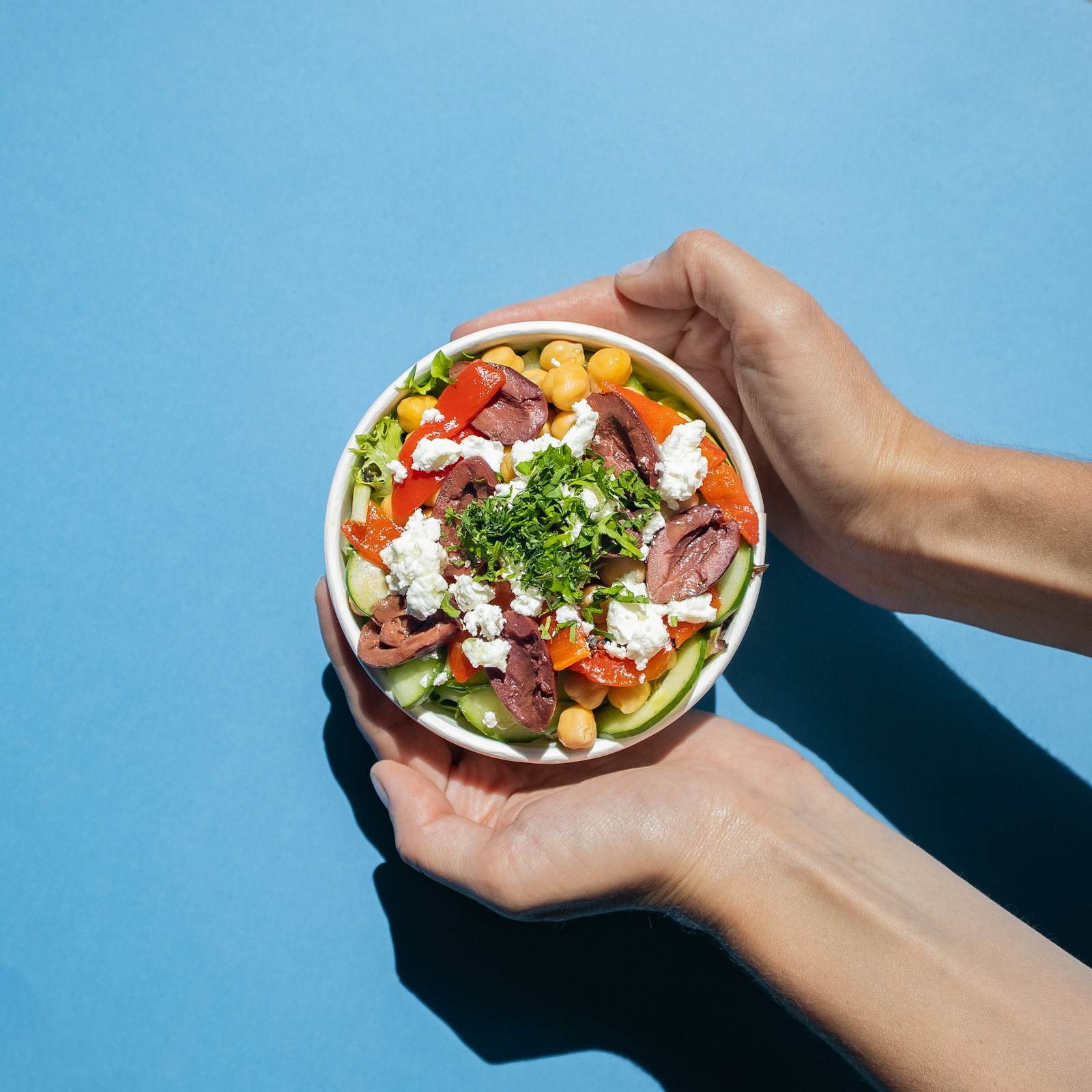
Look at the meals you already make
A food-first approach begins with ordinary meals, shopping habits and preferences. Before adding another item to your cupboard, look at a typical week. Which meals are easy to prepare? Which ingredients do you enjoy? Which busy days tend to leave you without a plan? Those questions can reveal practical opportunities without requiring a completely new way of eating.
Think in terms of familiar ingredients such as oats, beans, lentils, vegetables, fruit and wholegrain choices. You do not need an elaborate recipe collection to explore more variety. Choose an ingredient you like and consider where it might fit naturally into a meal you already cook. Keep dietary restrictions and any professional advice in mind.
Make a change you can repeat
A manageable change is easier to revisit than an ambitious overhaul. You could plan one breakfast option, keep ingredients ready for a familiar lunch or add a useful item to your shopping list. The purpose is to reduce the number of decisions required on a busy day, not to turn every meal into a nutrition project.
Keep some flexibility for cost, appetite, culture and convenience. Frozen, dried, tinned and fresh ingredients can each have a place in a practical kitchen. Read labels and preparation instructions for the foods you choose. If you are following a medically advised diet, discuss changes with your healthcare professional rather than replacing that plan with general online suggestions.
Understand where a fibre product fits
ZinoBiotic+ is a powdered food supplement with eight naturally derived dietary fibre sources. Its ingredient list includes resistant starches, oat beta-glucans, inulin and other fibres. That tells you what kind of product it is; it does not make it a replacement for the variety of an everyday eating pattern or establish that everyone needs it.
If you are considering a fibre supplement, read the serving and fluid instructions carefully. Check the full ingredient list, the mixing directions and storage advice. Think about how the product would fit into your routine rather than adding it automatically because gut health is a popular subject. More products do not necessarily create a clearer plan.
Keep symptoms separate from product shopping
Persistent or concerning digestive symptoms deserve appropriate medical advice. A general article or a product enquiry cannot establish their cause. Avoid interpreting discomfort as evidence that you need a particular supplement, and do not use a wellness product as a reason to postpone an assessment. Your existing medical advice should guide decisions about a restricted diet.
A useful enquiry can be simple: ask what the product contains, how it is used and where to find its official documentation. You do not need to share your medical history to request those details. Start with the food routine you have, explore changes that are realistic for you and consider supplements with a clear understanding of their limited role.
Before you choose
Read the current product label, kit instructions and supplier checkout terms. Ask us for the product documentation relevant to your question. This guide has not been reviewed by a clinician.
A question is a good place to start.
We can explain the range, answer product questions and help you understand the ordering process.
Start a conversation